
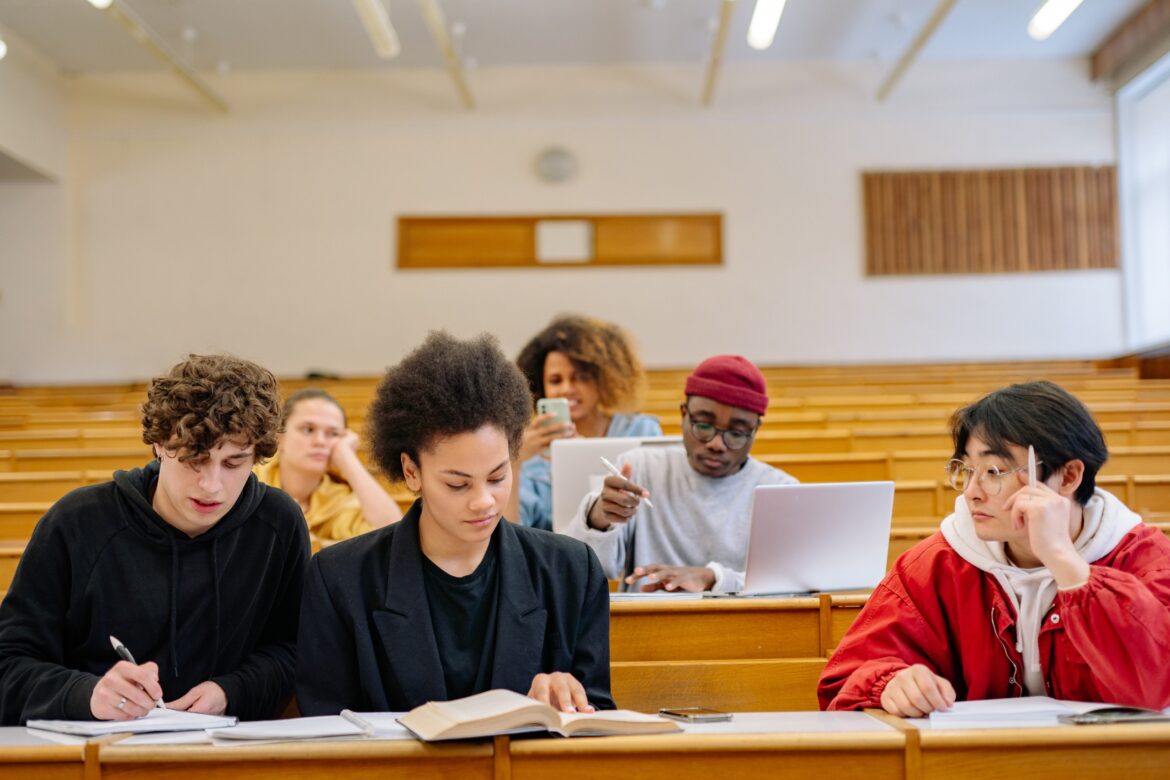
Classrooms often bring together students from diverse socioeconomic backgrounds. In one room, there may be children whose families can easily afford school projects, extracurricular activities, and field trips, alongside others whose resources are more limited. These differences, while part of broader society, can quietly influence classroom dynamics, participation, and student confidence.
Teachers cannot control every external circumstance affecting their students. However, they play a powerful role in shaping how those differences are experienced within the learning environment. Sensitivity, awareness, and thoughtful planning can prevent financial disparities from becoming sources of embarrassment or exclusion. When educators approach these situations with empathy and intentional strategies, they create classrooms where dignity and equal opportunity remain central values.
The goal is not to eliminate differences, but to ensure that no student feels less capable, less included, or less valued because of their financial circumstances.
Creating a Culture of Respect and Emotional Safety
An inclusive classroom begins with a culture rooted in respect. Students quickly notice differences in clothing, gadgets, supplies, or spending ability. Without guidance, these differences can lead to subtle comparisons or unintended exclusion. Teachers set the tone by reinforcing that every student deserves equal respect regardless of background.
Clear expectations around kindness, empathy, and non-judgmental behavior help prevent class divisions. Discussions about values such as gratitude, cooperation, and understanding can be woven naturally into lessons without singling anyone out. These conversations focus on character development rather than economic status.
Within thoughtful education and learning inclusive practices, emotional safety becomes foundational. When students feel secure, they are less likely to measure their worth through material comparison. Teachers who model inclusive language and fairness demonstrate that success is defined by effort and growth, not financial privilege.
A respectful classroom culture does not erase socioeconomic differences, but it ensures those differences do not determine belonging. Emotional safety empowers every student to participate confidently.
Designing Assignments That Minimize Financial Pressure
One common challenge arises when projects require materials or expenses that some families may struggle to afford. Teachers can reduce unintended pressure by designing assignments that rely primarily on accessible, school-provided resources.
Offering multiple project formats—such as digital presentations, posters using classroom supplies, or collaborative group work—creates flexibility. Clear communication that creativity and effort matter more than costly materials helps level expectations.
It is also helpful to avoid publicly comparing outcomes that reflect spending differences. Evaluation criteria should focus on understanding, critical thinking, and originality rather than aesthetic quality influenced by purchased materials.
When assignments are thoughtfully structured, financial disparities become less visible. The emphasis shifts toward learning outcomes, ensuring that every student has a fair opportunity to succeed without added stress at home.
Handling Field Trips and Optional Activities with Sensitivity
Field trips and extracurricular activities often highlight financial differences more clearly than classroom projects. While these experiences are valuable, participation fees can create emotional discomfort for students unable to join.
Teachers can collaborate with school administration to explore funding assistance, sponsorships, or fundraising opportunities that maintain student privacy. Communication about financial support should be handled discreetly to protect dignity.
When participation is not universal, educators can prepare meaningful alternative activities that avoid isolating students. Careful language is important; rather than framing alternatives as secondary options, presenting them as parallel learning experiences preserves inclusivity.
In broader equitable classroom environment strategies, empathy plays a critical role. Teachers may not solve every structural limitation, but they can ensure no student feels singled out or ashamed due to financial circumstances.
Avoiding Assumptions About Student Capabilities
Socioeconomic differences should never shape expectations regarding academic ability or behavior. Assumptions—positive or negative—can unintentionally influence teacher interactions and student confidence.
Students from financially comfortable families may face pressures unrelated to visible resources, while less affluent students may demonstrate resilience and resourcefulness. Each child deserves to be seen as an individual, not a representative of economic status.
Balanced attention, encouragement, and high expectations for all learners reinforce fairness. Recognizing effort, improvement, and collaboration fosters equal opportunity for growth.
Maintaining unbiased classroom management ensures that performance feedback remains objective. When students perceive fairness, trust in the teacher strengthens.
Encouraging Empathy Among Students
Beyond teacher actions, peer understanding is equally important. Incorporating age-appropriate discussions about empathy, gratitude, and social awareness nurtures compassionate classroom communities.
Collaborative projects encourage students to work across social lines, emphasizing teamwork over competition. Celebrating diverse strengths—academic, artistic, athletic—shifts focus away from material comparisons.
Teachers can subtly guide conversations that emphasize shared goals and mutual respect. Activities that highlight community values build emotional intelligence without spotlighting individual circumstances.
When students learn empathy early, they carry those lessons beyond the classroom. Compassion becomes a shared norm rather than a corrective measure.
Supporting Students’ Dignity and Self-Worth
Above all, teachers influence how students perceive themselves. When financial differences arise, protecting student dignity is essential. Private conversations, respectful communication, and consistent encouragement reinforce self-worth.
Recognizing achievements unrelated to material resources—such as perseverance, creativity, or leadership—helps broaden definitions of success. Students who feel valued are less likely to internalize feelings of inadequacy.
Educators may not control economic inequality, but they can shape classroom climate. By modeling fairness and kindness, they reduce the emotional weight that disparities may carry.
Maintaining student dignity ensures that every learner feels seen and supported. This commitment reflects the deeper purpose of education: nurturing growth in both knowledge and character.
Conclusion
Managing a classroom with students from varied socioeconomic backgrounds requires empathy, intentional planning, and consistent fairness. Teachers cannot eliminate financial disparities, but they can create environments where those differences do not define opportunity or belonging. By fostering respect, designing inclusive assignments, handling optional activities sensitively, and avoiding assumptions, educators help protect student dignity. Encouraging empathy among peers further strengthens a supportive classroom culture. Ultimately, what students remember most is how they were treated. When teachers prioritize compassion and equity, they ensure that every child—regardless of economic circumstance—feels valued, capable, and included in the learning journey.