
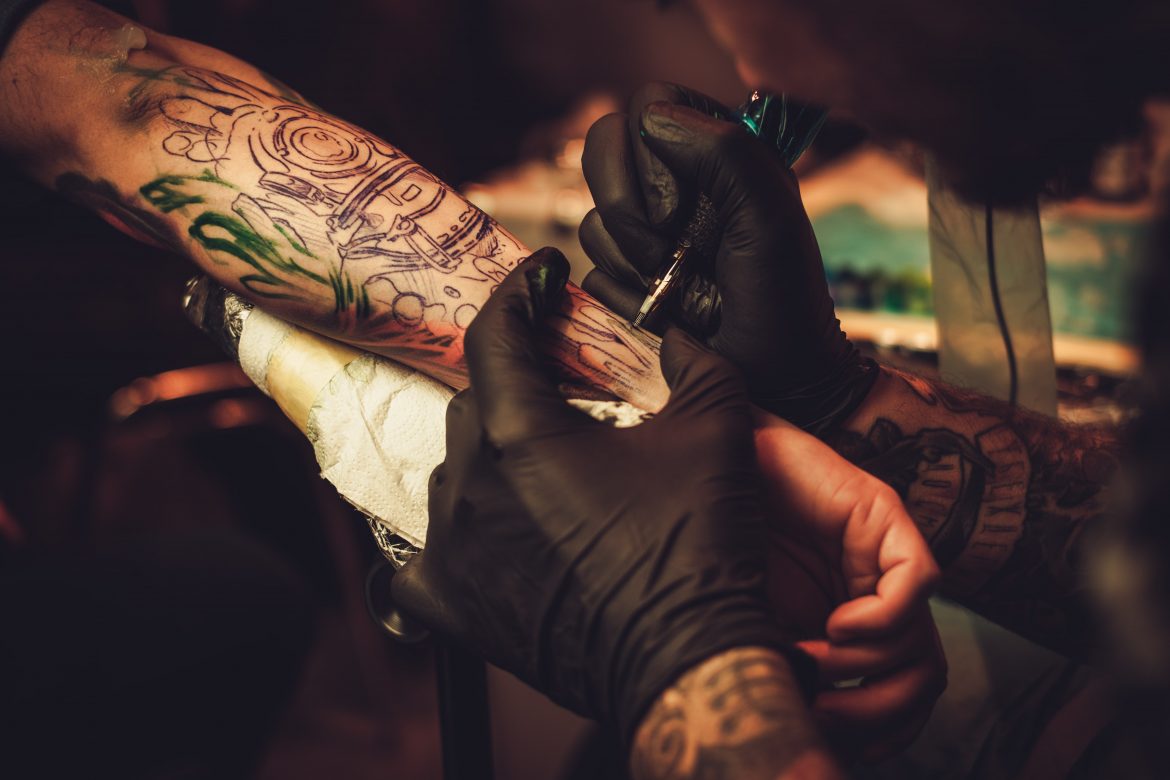
Tattooing has evolved from ancient cultural symbolism into a powerful form of modern self-expression. What was once considered niche or rebellious is now widely recognized as both an artistic craft and a personal statement. Across different cultures and generations, tattoos have represented identity, heritage, milestones, and creativity. Today, they blend tradition with innovation, combining intricate design techniques and advanced technology to create lasting works of art on the skin.
For many individuals, choosing a tattoo is not a casual decision. It reflects personality, beliefs, or significant life experiences. From minimalist line work to elaborate full-sleeve masterpieces, tattoo art continues to push creative boundaries. Beyond aesthetics, the process also involves thoughtful planning, professional skill, and proper aftercare. Understanding the deeper meaning and responsibility behind tattoos allows individuals to appreciate them not just as decoration, but as meaningful forms of artistic and personal transformation.
The Cultural and Historical Roots of Tattoo Art
Tattooing dates back thousands of years, appearing in ancient civilizations across Asia, Africa, Europe, and the Pacific Islands. In many cultures, tattoos symbolized rites of passage, spiritual protection, or social status. Tribal markings often carried deep meanings tied to ancestry and identity.
Over time, tattoo traditions evolved. Sailors popularized tattoos in Western societies, associating them with travel and adventure. Later, subcultures embraced body art as a symbol of individuality and rebellion. Today, tattoos have entered mainstream acceptance, appreciated as legitimate artistic expressions.
Within the broader realm of modern health and beauty lifestyle trends, tattoos represent more than aesthetics—they embody storytelling and cultural continuity. Many contemporary artists incorporate traditional motifs into modern designs, preserving heritage while adapting to current styles.
Understanding tattoo history enriches appreciation for the craft. It highlights how body art has transitioned from sacred ritual to personal canvas, maintaining significance across generations.
Choosing the Right Tattoo Design
Selecting a tattoo design requires careful thought. Since tattoos are permanent, individuals must consider symbolism, placement, and long-term satisfaction. Popular styles range from realism and watercolor to geometric and minimalist designs.
Personal meaning often guides the decision-making process. Some choose tattoos that commemorate loved ones, milestones, or beliefs. Others select designs based purely on aesthetic preference. Researching artists who specialize in specific styles ensures the final result aligns with expectations.
Consultations with professional tattoo artists are essential. Skilled artists provide guidance on sizing, color choices, and placement to ensure visual balance. Their expertise helps transform ideas into cohesive designs that complement body contours.
Thoughtful planning reduces regret. Taking time to reflect on design and significance ensures that the tattoo remains meaningful long after it is completed.
The Importance of Professional Tattoo Artists
Tattooing requires precision, hygiene, and artistic mastery. Choosing a licensed and experienced artist is crucial for both safety and quality. Professional studios adhere to strict sterilization protocols, minimizing health risks.
Experienced artists understand skin types, ink behavior, and shading techniques. Their skill directly affects how the tattoo ages over time. Poorly executed tattoos may fade unevenly or blur, emphasizing the importance of careful selection.
Within evolving personal beauty and wellness care practices, safety standards remain paramount. Reputable artists provide aftercare instructions and answer questions about healing. Clients should verify certifications and review portfolios before committing.
Investing in professional expertise ensures that tattoos are not only visually appealing but also safely applied. Quality craftsmanship protects both artistic vision and personal well-being.
Tattoo Placement and Body Aesthetics
Placement significantly influences the visual impact of a tattoo. Certain areas of the body offer larger canvases for intricate designs, while smaller placements suit minimalist art. Visibility preferences also play a role in decision-making.
Pain tolerance varies by location. Areas with thinner skin or proximity to bone may feel more sensitive. Understanding these factors helps individuals prepare mentally and physically for the session.
Tattoo placement can enhance body symmetry and highlight natural contours. Skilled artists consider movement and muscle structure to ensure designs flow naturally with the body.
Balancing aesthetics with practicality is important. Professional environments or personal comfort levels may influence placement choices. Careful consideration ensures long-term satisfaction with both design and location.
Proper Aftercare for Long-Lasting Results
Aftercare determines how well a tattoo heals and retains its vibrancy. Fresh tattoos require careful cleaning, moisturizing, and protection from sunlight. Following professional guidance prevents infection and promotes smooth healing.
Avoiding excessive water exposure and tight clothing during the healing phase reduces irritation. Sunscreen application after healing protects ink from fading over time.
Neglecting aftercare can compromise even the most beautifully designed tattoo. Peeling, scabbing, or infection may affect final results. Commitment to proper maintenance preserves clarity and color.
Long-term care includes hydration and skin health. Maintaining overall skin wellness ensures that tattoos remain sharp and visually appealing for years.
Tattoos as Personal Expression and Identity
Tattoos often represent deeply personal narratives. For some, they symbolize resilience, transformation, or self-discovery. Others use tattoos as artistic extensions of their identity.
The permanence of tattoos adds emotional significance. Unlike temporary fashion choices, tattoos become integrated into one’s physical appearance. This lasting quality encourages thoughtful selection and meaningful symbolism.
As societal acceptance grows, tattoos are increasingly celebrated as forms of body positivity and creative freedom. Individuals use them to reclaim narratives or express individuality without apology.
The art of tattooing continues evolving alongside cultural values. Its enduring appeal lies in its ability to merge personal story with visual artistry in a uniquely intimate way.
Conclusion
The art of tattooing represents a powerful intersection of history, creativity, and personal identity. From ancient cultural traditions to modern design innovations, tattoos have maintained their significance as meaningful forms of expression. Choosing the right design, placement, and professional artist ensures both aesthetic satisfaction and personal safety. Proper aftercare further protects the integrity of each piece, preserving its vibrancy over time. Beyond visual appeal, tattoos often symbolize milestones, beliefs, and individuality, making them deeply personal works of art. As societal perspectives continue evolving, tattooing remains a respected and celebrated element of contemporary health and beauty culture. By approaching tattoos with thoughtful intention and informed care, individuals can transform their bodies into lasting canvases that reflect both artistry and identity.