
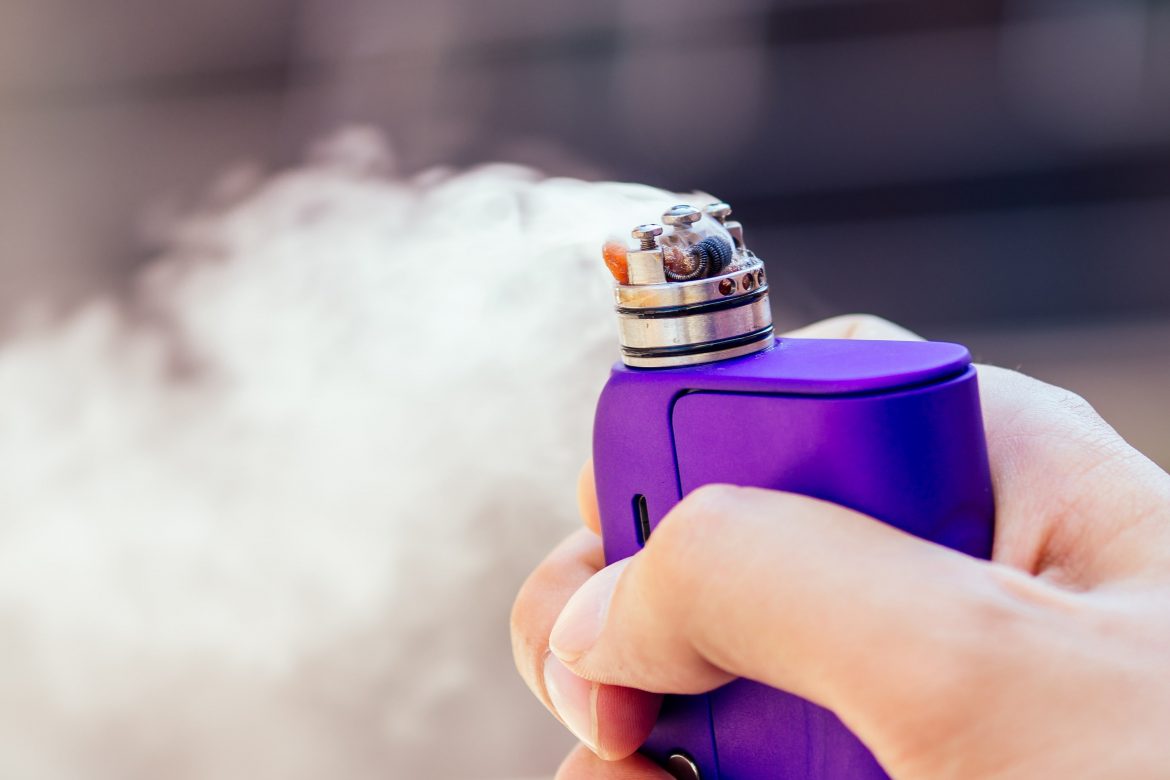
Vaping has rapidly gained popularity over the past decade, often marketed as a safer alternative to traditional smoking. Sleek devices, flavored cartridges, and social media influence have contributed to its widespread appeal, particularly among younger users. Many individuals turn to vaping believing it carries minimal health consequences compared to cigarettes. However, growing research suggests that this perception may be misleading.
While vaping eliminates some harmful byproducts of tobacco combustion, it introduces new chemical exposures that can significantly impact the body. From respiratory complications to cardiovascular strain, the long-term effects are still being studied, yet early findings raise serious concerns. Understanding the potential health risks associated with vaping is essential for making informed decisions. By examining scientific evidence and medical insights, individuals can better evaluate the implications of this increasingly common habit on overall well-being.
Respiratory Complications and Lung Damage
One of the most immediate concerns associated with vaping involves respiratory health. E-cigarette aerosols contain fine particles and chemical compounds that enter deep into the lungs. While these devices do not produce traditional smoke, inhaling vaporized substances can still irritate lung tissue.
Certain flavoring agents and additives have been linked to inflammation and airway damage. Some users report persistent coughing, wheezing, and shortness of breath. In more severe cases, vaping-related lung injuries have required hospitalization. Although research is ongoing, medical professionals continue to observe patterns suggesting potential long-term harm.
Within broader discussions of health and beauty wellness awareness, protecting respiratory function remains fundamental. Healthy lungs contribute to skin vitality, energy levels, and overall physical performance. Compromised breathing capacity can impact daily activities and long-term quality of life.
Understanding how inhaled chemicals interact with lung tissue highlights the importance of caution. Even without traditional tobacco combustion, vapor exposure is not risk-free.
Cardiovascular Strain and Heart Health
Nicotine, commonly present in vaping products, directly affects cardiovascular function. It increases heart rate, constricts blood vessels, and elevates blood pressure. Over time, these effects can strain the heart and increase the risk of cardiovascular complications.
While some users believe vaping reduces heart-related risks compared to smoking, the presence of nicotine and other chemicals still raises concerns. Repeated exposure may contribute to arterial stiffness and impaired circulation.
Healthy blood flow plays a crucial role in maintaining organ function and physical vitality. When circulation is disrupted, the body’s ability to deliver oxygen and nutrients diminishes. This impact extends beyond the heart, influencing overall wellness.
Research continues to evaluate the long-term cardiovascular implications of vaping. However, early findings suggest that nicotine exposure—regardless of delivery method—poses measurable risks.
Chemical Exposure and Unknown Long-Term Effects
Vaping liquids contain a mixture of chemicals, including propylene glycol, vegetable glycerin, flavorings, and sometimes heavy metals. Heating these substances creates aerosols that users inhale. While some ingredients are considered safe for ingestion, inhalation presents different health implications.
The long-term effects of regularly inhaling heated chemical mixtures remain unclear. Emerging studies indicate that certain compounds may generate toxic byproducts when vaporized. Continuous exposure could lead to cumulative health concerns over time.
Within the context of informed natural health and beauty lifestyle choices, awareness of ingredient transparency becomes critical. Consumers often underestimate how inhalation differs from other forms of exposure.
Because vaping is relatively new compared to traditional tobacco use, comprehensive long-term studies are still developing. The uncertainty itself represents a concern, as unknown risks may surface years later.
Impact on Oral Health and Skin Appearance
Vaping may also influence oral health. Nicotine restricts blood flow to the gums, potentially increasing the risk of gum disease and delayed healing. Some users report dry mouth and throat irritation, which can contribute to dental complications.
Skin health may also be affected. Reduced circulation and dehydration linked to nicotine use can impact skin elasticity and complexion. While vaping is sometimes perceived as less harmful cosmetically than smoking, its effects on appearance should not be overlooked.
Healthy skin relies on proper oxygenation and hydration. Disruptions in these processes may lead to dullness or premature aging signs. Though research is ongoing, dermatological concerns related to nicotine exposure remain relevant.
Maintaining external wellness often depends on internal health. Habits that compromise circulation or hydration may indirectly influence visible appearance over time.
Addiction and Behavioral Dependency
Nicotine is highly addictive, and vaping devices often deliver concentrated doses efficiently. Some products contain higher nicotine levels than traditional cigarettes, increasing the potential for dependency.
Addiction impacts not only physical health but also mental well-being. Individuals may find it difficult to reduce usage due to withdrawal symptoms such as irritability or anxiety. Behavioral dependency can reinforce long-term use patterns.
Younger users may be particularly vulnerable. Exposure to nicotine during developmental stages can influence brain function and habit formation. Prevention efforts emphasize education and awareness to reduce initiation rates.
Understanding addiction risk is essential when evaluating vaping. What may begin as experimentation can evolve into sustained dependency with lasting health implications.
The Importance of Informed Decision-Making
As vaping continues to evolve, consumers must stay informed. Marketing messages often highlight reduced harm compared to smoking, yet this comparison does not equate to safety. Risk reduction does not mean risk elimination.
Consulting healthcare professionals provides personalized guidance. Individuals attempting to quit smoking may require structured cessation plans rather than substituting one habit for another.
Public health campaigns emphasize transparency and research-backed information. Awareness empowers individuals to weigh benefits and risks carefully.
Ultimately, making informed decisions requires evaluating credible scientific evidence rather than relying solely on promotional claims. Understanding potential health consequences fosters responsible choices that prioritize long-term well-being.
Conclusion
The growing popularity of vaping has introduced widespread misconceptions about its safety. While it may eliminate certain harmful aspects of traditional smoking, vaping carries its own set of health risks that should not be underestimated. From respiratory complications and cardiovascular strain to chemical exposure and addiction, emerging research continues to reveal potential dangers. The long-term effects remain uncertain, making caution essential. Protecting overall well-being requires informed decision-making grounded in credible evidence rather than marketing narratives. By understanding how vaping affects lung function, heart health, and behavioral dependency, individuals can better assess the implications for their lifestyle. Prioritizing health awareness ultimately supports stronger, more sustainable wellness outcomes.