
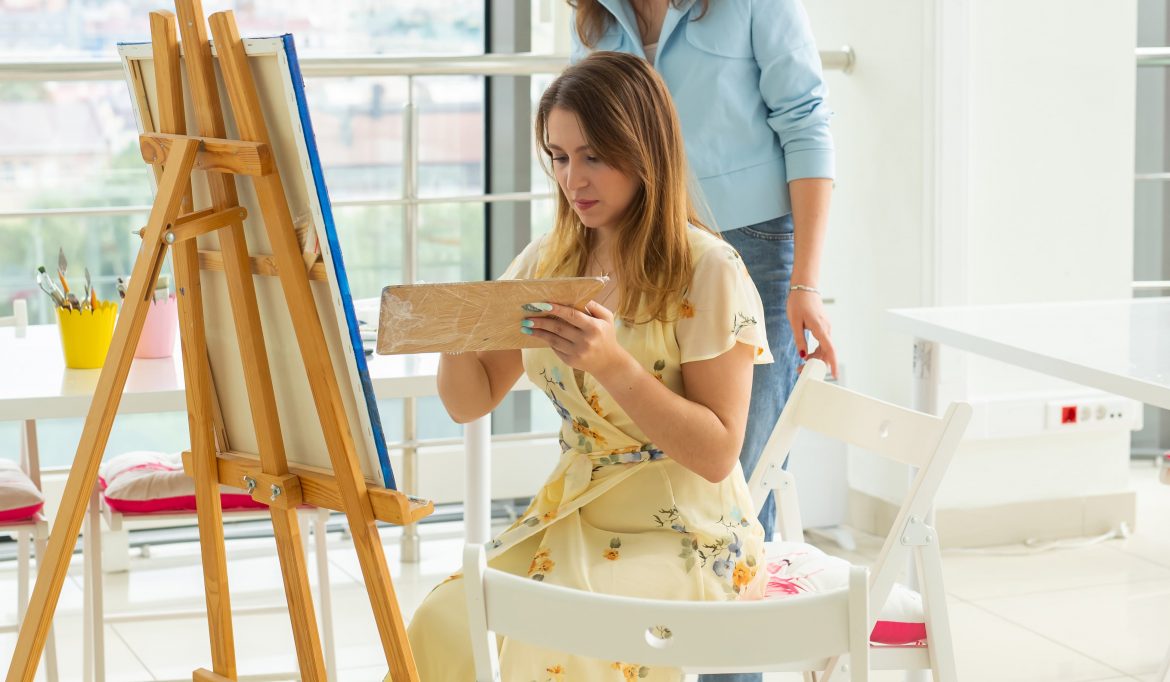
Artistic talent is often viewed as a natural gift, but true growth in creativity comes from consistent care, practice, and self-awareness. Whether someone is a beginner experimenting with sketching or an experienced artist refining technique, nurturing art skills requires dedication and thoughtful effort. Like any craft, improvement does not happen overnight. It evolves through exploration, learning, and steady commitment.
Many aspiring artists struggle with self-doubt or creative burnout, especially when progress feels slow. However, developing artistic ability is not solely about mastering technique—it is also about cultivating curiosity, discipline, and resilience. From establishing practice routines to seeking constructive feedback, there are numerous ways to strengthen creative potential. This guide explores practical approaches to caring for and nurturing art skills, helping individuals build confidence while sustaining long-term creative growth.
Building a Consistent Creative Routine
Consistency forms the foundation of artistic development. Rather than waiting for inspiration to strike, successful artists schedule regular practice sessions. Even short daily exercises strengthen muscle memory, refine technique, and enhance visual perception.
Setting realistic goals prevents overwhelm. Instead of aiming to complete large projects immediately, breaking tasks into smaller exercises builds momentum. Sketching for fifteen minutes daily often produces more progress than sporadic marathon sessions.
Within thoughtful creative self-care and artistic growth practices, routine becomes a form of discipline that protects artistic momentum. Structured practice encourages experimentation while reducing procrastination.
A dedicated creative space also enhances consistency. Organizing materials and maintaining a comfortable environment removes barriers to starting. Over time, routine transforms art-making from an occasional hobby into a sustainable habit that supports long-term improvement.
Investing in Learning and Skill Development
Continuous learning plays a critical role in nurturing artistic ability. Workshops, online courses, and tutorials expose artists to new techniques and perspectives. Studying art history or analyzing masterworks deepens understanding of composition, color theory, and storytelling.
Seeking mentorship accelerates progress. Constructive feedback highlights strengths while identifying areas for improvement. Engaging with experienced artists fosters growth and broadens creative horizons.
Educational resources vary widely, from structured programs to informal community groups. Participating in art forums or collaborative projects provides valuable exposure to diverse styles.
Learning should remain balanced with experimentation. While mastering fundamentals is essential, personal exploration shapes unique artistic identity. Blending structured study with creative freedom ensures well-rounded development.
Overcoming Creative Blocks and Self-Doubt
Every artist encounters moments of stagnation. Creative blocks can arise from perfectionism, comparison, or external stress. Acknowledging these challenges rather than ignoring them is the first step toward overcoming them.
Stepping away temporarily often refreshes perspective. Exploring different mediums or subjects can reignite inspiration. Journaling ideas or creating without expectations reduces pressure and restores enjoyment.
Within broader thoughtful gifts and creative care inspirations, self-compassion plays a significant role. Recognizing that progress includes setbacks prevents discouragement. Art is a journey shaped by experimentation and growth, not constant perfection.
Comparing work to others can diminish confidence. Instead, tracking personal improvement over time provides a more accurate measure of growth. Embracing mistakes as learning opportunities strengthens resilience and fosters continued progress.
Surrounding Yourself with Creative Influence
Environment significantly influences artistic development. Surrounding oneself with inspiring artwork, books, or creative communities encourages motivation. Visiting galleries or attending exhibitions introduces new ideas and techniques.
Engaging with fellow artists creates supportive networks. Collaborative projects and discussions stimulate fresh perspectives. Constructive critique sessions promote accountability and mutual growth.
Online communities also offer accessibility. Social platforms and creative forums allow artists to share work and receive feedback globally. However, balance is important—engagement should inspire rather than overwhelm.
A supportive environment nurtures confidence. When artists feel encouraged and connected, they are more likely to take creative risks and explore unfamiliar concepts. Community involvement reinforces commitment to ongoing skill enhancement.
Caring for Mental and Physical Well-Being
Artistic growth depends on overall well-being. Long hours of drawing or painting can strain posture and eyesight. Taking regular breaks and maintaining ergonomic setups protects physical health.
Mental health equally influences creativity. Stress and fatigue often hinder focus and motivation. Incorporating relaxation techniques, exercise, and proper rest sustains energy levels for creative work.
Maintaining balance prevents burnout. Artists who push themselves excessively may experience frustration or diminished passion. Allowing time for leisure and reflection ensures that creativity remains fulfilling rather than draining.
Healthy habits create sustainable progress. When physical and emotional needs are met, artistic productivity flourishes naturally.
Setting Long-Term Goals and Celebrating Progress
Defining long-term aspirations provides direction. Whether aiming to exhibit artwork, build a portfolio, or master a specific medium, clear goals create purpose. Breaking these objectives into manageable milestones keeps motivation steady.
Tracking progress visually—through dated sketches or archived projects—highlights improvement over time. Recognizing growth reinforces commitment and builds confidence.
Celebrating small achievements maintains enthusiasm. Completing a challenging piece or learning a new technique deserves acknowledgment. Positive reinforcement encourages continued effort.
Artistic development is not linear. Some phases bring rapid improvement, while others feel gradual. Patience and perseverance ensure steady advancement. By nurturing skills with intention and care, artists cultivate lasting creative fulfillment.
Conclusion
Caring for and nurturing art skills requires dedication, patience, and self-awareness. Through consistent practice, continuous learning, and supportive environments, artists can steadily refine their abilities while building confidence. Overcoming creative blocks with self-compassion and maintaining physical and mental well-being ensures sustainable growth. Artistic progress thrives when balanced with reflection and celebration of achievements. By setting clear goals and embracing experimentation, individuals transform raw talent into refined expression. Ultimately, nurturing art skills is not merely about technical mastery—it is about fostering a lifelong relationship with creativity. With thoughtful effort and resilience, any artist can cultivate meaningful and enduring artistic growth.